
Functional Medicine
Sleep Issues Treatment
Bad sleep isn't a sleep problem. It's a hormone problem, a cortisol problem, a neurotransmitter problem, or a gut problem that shows up at night. We find the root cause and fix it without sleep medications that leave you groggy and dependent.
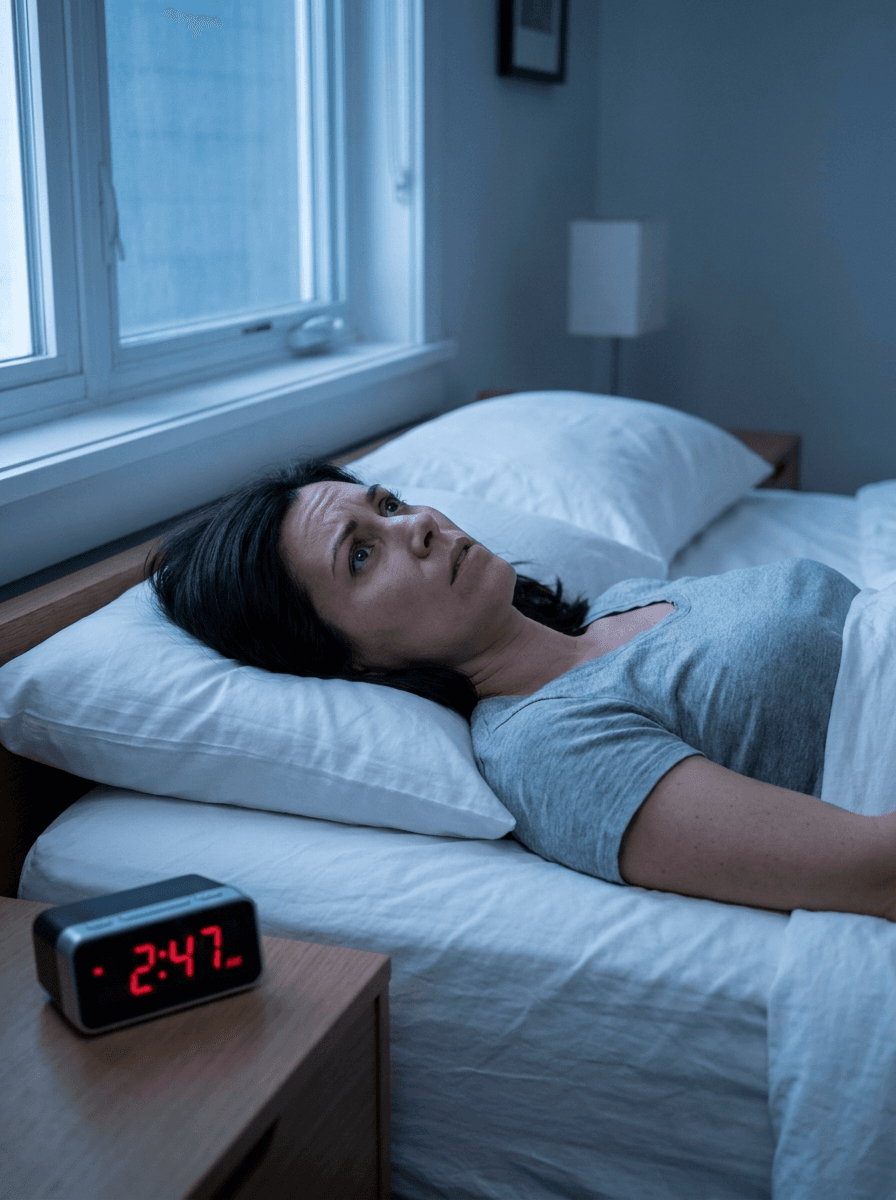
Why You Can't Sleep (And Why Melatonin Isn't the Answer)
You're exhausted all day. Then you lie down and your brain won't shut off. Or you fall asleep fine but wake up at 2am and stare at the ceiling for hours. Or you sleep 8 hours and feel like you got 3. Sound familiar?
Your doctor prescribed trazodone or told you to take melatonin and practice "sleep hygiene." Maybe it helped for a week. Then it stopped working. That's because you're treating a symptom while ignoring the mechanism.
Sleep is regulated by hormones and neurotransmitters: cortisol should be low at night and rise in the morning. Progesterone is your natural sedative (and it drops in perimenopause). Testosterone affects sleep architecture in both sexes. GABA calms the nervous system. Serotonin converts to melatonin. If any of these systems are off, no amount of blue-light glasses and lavender spray will fix your sleep.
We also see sleep disruption from blood sugar instability (cortisol spikes to rescue low glucose at 2am), gut inflammation (the gut produces most of your serotonin), and chronic stress that keeps the sympathetic nervous system locked on.
“These glands have a complex relationship with each other. In conventional medicine there's this idea that the thyroid is off on an island, the adrenal glands are off by themselves, and the ovaries are separate. All of these hormones are in the blood together.”
Dr. Rose: The Hormonal Triangle
Provider Insight
“If we are catching hormone decline early, 100% it should be caught early and dealt with early. We see decline in hormones in men in their 30s. We see perimenopausal shift in women in their 30s.”
Colin Renaud, PA-C and Dr. Rose: Catching Hormone Decline Early
Provider Insight
“I was so anxious that I was really looking at getting on an anxiety medication, and then I know now that that was a function of my hormones. I don't feel like that anymore. I feel great.”
Cat: Anxiety Resolved Through Hormone Balance
Patient Story
“My old level was really probably closer to my baseline. And if you take that and cut it in half, even though my half was still in what medical professionals say is an acceptable range, that's not necessarily what's acceptable for my body.”
Ryan: Why 'Normal Range' Wasn't Normal for Him
Patient Story
“I wake up and not feel that, you're like, 'Wow.' My quality of life is completely different.”
Caleb: Quality of Life Completely Changed
Patient Story
“Most providers are running labs based on the medications they can give. If your medication only requires monitoring TSH, they don't care what the rest of the thyroid panel looks like.”
Colin Renaud, DC, PA-C: Providers Test Based on Medications, Not You
Provider Insight
“There were things on there that I hadn't known. For example, Hashimoto's disease. I had asked my physician to test me for that and they didn't. And that did come up on there.”
Laura: Hashimoto's Discovered After Years of Being Dismissed
Patient Story
Inside Med Matrix
Everything Under One Roof
Advanced testing, personalized protocols, and real results from a team that treats the whole picture.

4.9
from 150+ Google Reviews
Testing and Treating the Root Cause of Poor Sleep
Our approach starts with a full panel: hormones (testosterone, estrogen, progesterone, DHEA), cortisol patterns, thyroid function, blood sugar markers (fasting insulin, HbA1c), inflammatory markers, and nutrient levels (magnesium, B6, iron, vitamin D) that directly affect sleep quality.
- Cortisol dysregulation. If your cortisol is elevated at night, you won't sleep no matter what you try. We identify the pattern and address the HPA axis dysfunction causing it.
- Hormone optimization. Progesterone replacement for women in perimenopause often resolves insomnia within days. Testosterone optimization improves sleep architecture in men.
- Blood sugar stability. 2am wake-ups are frequently a blood sugar crash triggering a cortisol rescue spike. We fix the metabolic pattern.
- Neurotransmitter support. Targeted amino acids, magnesium glycinate, and specific nutrients to support GABA and serotonin production naturally.
- Gut health. 95% of serotonin is made in the gut. If gut function is compromised, neurotransmitter production suffers and sleep follows.
The goal is restorative sleep without pharmaceutical dependence. Most patients see improvement within 2-4 weeks once we address the underlying cause.
Free Resource
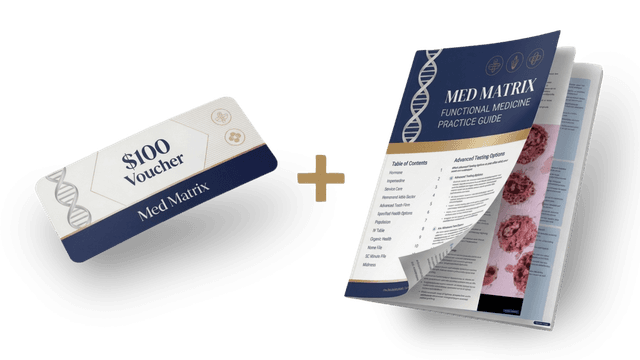
Get Your Free Practice Guide
Includes a $100 voucher toward your first visit
Everything you need to make an informed decision: pricing, testing catalog, process timeline, provider bios, and real patient stories. No commitment required.

Free Practice Guide + $100 Voucher
Everything you need before your first visit
STEP 1 OF 3
Where can we send your practice guide?
Enter your email to get instant access
We only accept a limited number of patients per week
EXPLORE
Related Content
Articles, patient stories, and podcast episodes about sleep issues treatment.



FAQ
Sleep Issues Treatment FAQ
We focus on fixing the root cause of poor sleep rather than masking it with sedatives. Occasionally we use short-term support while underlying issues resolve, but the goal is always natural, restorative sleep without ongoing medication.
Most patients who say this haven't had their hormones, cortisol patterns, and gut health properly tested. The interventions fail because they're treating the wrong thing. We find the actual mechanism first.
It depends on the cause. Progesterone-related insomnia can resolve within days. Cortisol dysregulation and gut-related issues typically take 3-6 weeks. We monitor and adjust your protocol based on response.
Related Services to Sleep Issues Treatment
Your Health, Your Terms
Start Feeling Like Yourself Again
Get your free practice guide and a $100 voucher toward your first visit. No commitment, no pressure.