
Functional Medicine
Fine Lines & Wrinkles Treatment
Aging skin has internal drivers that Botox can't reach. Declining hormones, oxidative stress, poor collagen synthesis, and chronic inflammation all accelerate how your skin ages. We address the biology behind the wrinkles, not just the surface.

Why Your Skin Ages Faster Than It Should
You're 45 and you look older than your mother did at the same age. Or you're 35 and fine lines are showing up a decade earlier than you expected. Your friends the same age look younger. You've tried the serums, the retinols, the sunscreen. Something else is going on.
Skin aging isn't just about sun exposure and genetics, though those matter. A large portion of how quickly your skin ages is driven by what's happening inside your body. And most of those internal drivers are testable, treatable, and reversible.
The internal drivers of premature skin aging:
- Declining hormones. Estrogen is one of the most important hormones for skin health. It stimulates collagen production, maintains skin thickness, supports hydration, and promotes elasticity. When estrogen declines during perimenopause and menopause, collagen production drops roughly 30% in the first five years. Skin gets thinner, drier, and less elastic. Testosterone also supports skin structure, and its decline affects both men and women. Progesterone supports skin repair and cell turnover.
- Chronic inflammation. Low-grade inflammation accelerates every visible sign of aging. It breaks down collagen and elastin, impairs the skin's ability to repair itself, and creates an environment of constant oxidative damage. Inflammation can come from poor diet, gut dysfunction, insulin resistance, chronic stress, or hidden infections.
- Insulin resistance. Elevated insulin and blood sugar drive a process called glycation, where sugar molecules bind to collagen and elastin fibers and make them stiff and brittle. This is why diabetics and prediabetics often age faster visibly. Insulin resistance also increases inflammation, compounding the damage.
- Oxidative stress. Your body produces free radicals as a normal part of metabolism. Antioxidant systems neutralize them. When that balance tips (from stress, poor diet, toxin exposure, or nutrient deficiencies), oxidative damage accumulates in the skin. This shows up as fine lines, loss of tone, and uneven pigmentation.
- Cortisol. Chronic stress keeps cortisol elevated, which directly breaks down collagen. Cortisol also impairs wound healing, disrupts sleep (which is when most skin repair happens), and contributes to inflammation. Stress ages you from the inside, and it shows on your face.
- Nutrient deficiencies. Vitamin C is essential for collagen synthesis. Vitamin D regulates skin cell growth. Zinc supports skin repair and immune function. Omega-3 fatty acids maintain the skin barrier. When any of these are low, your skin's ability to maintain itself and repair damage is compromised.
Botox and fillers address the visible result of these processes. They smooth the lines and restore volume. But they don't slow down the processes themselves. If you want to actually slow aging, not just mask it, you have to address the biology.
“Personalized health care is really what promotes longevity. Unfortunately, that's what the mainstream medical community doesn't take into account either.”
Colin Renaud, DC, PA-C: Personalized Health Care Promotes Longevity
Provider Insight
“Life-changing. It's just incredible how seeing a doctor who cares and medicine that works.”
Gordon: Life-Changing Results at 65
Patient Story
“Peptides are for people that are doing proactive health. You can't just take a peptide and it's going to answer all your prayers and do your bad diet and sit on the couch all the time.”
Colin Renaud, PA-C: Peptides Need a Foundation to Work
Provider Insight
“I ran over 6 miles, no pain at all.”
Eric: BPC-157 Resolved Chronic Knee Pain in One Month
Patient Story
Inside Med Matrix
Everything Under One Roof
Advanced testing, personalized protocols, and real results from a team that treats the whole picture.
4.9
from 150+ Google Reviews
How We Approach Anti-Aging Skin at Med Matrix
We start where the aging is actually happening: inside your body.
Every anti-aging skin patient at Med Matrix starts with a 100-biomarker blood panel and an InBody 770 body composition scan. We're mapping the internal environment that's either supporting your skin or breaking it down.
What we test for skin aging:
- Sex hormones (estrogen, progesterone, testosterone, DHEA): to identify hormonal decline driving collagen loss and skin thinning
- Thyroid panel: thyroid function directly affects skin hydration, repair, and collagen metabolism
- Fasting insulin, glucose, HbA1c: to catch insulin resistance and glycation damage
- Inflammatory markers (CRP, ESR): to measure the chronic inflammation that accelerates aging
- Cortisol: to assess stress-driven collagen breakdown
- Vitamin D, vitamin C, zinc, omega-3 status, B12: nutrients critical for collagen synthesis and skin repair
- Antioxidant markers: to evaluate your body's ability to neutralize oxidative damage
After your labs come back, one of our 7 providers reviews everything alongside your health history, your skin concerns, what you've already tried, and your goals. Then you sit down for a one-hour visit where you go through the results and build a plan together.
This plan isn't about replacing Botox or fillers. If those work for you, keep using them. This is about addressing the internal processes that external treatments can't reach. When you optimize hormones, reduce inflammation, fix nutrient deficiencies, and improve metabolic health, your skin responds. External treatments also work better because the biology supporting them is healthier.
Treatment Options for Skin Aging
Your plan is built around your lab results. Every element addresses a specific driver identified in your blood work.
Hormone optimization. This is often the biggest lever. For women in perimenopause or menopause, restoring estrogen with bioidentical hormones can slow and partially reverse collagen loss. Progesterone supports skin repair. Testosterone affects skin thickness and tone. For men, testosterone optimization supports collagen production and skin structure. DHEA can improve skin hydration and thickness in both sexes. All hormones are prescribed as bioidentical formulations customized to your labs.
Peptide therapy. Specific peptides can stimulate collagen production, improve skin elasticity, and support cellular repair. GHK-Cu (copper peptide) is one of the most studied for skin aging. It promotes collagen and elastin synthesis, reduces inflammation, and accelerates wound healing. Your provider will recommend peptides based on your individual labs and skin concerns.
Metabolic repair. If insulin resistance is contributing to glycation damage, we address it through dietary guidance, targeted supplementation, and lifestyle changes. Lowering fasting insulin and improving glucose metabolism reduces the sugar-collagen cross-linking that makes skin stiff and wrinkled. This is one of the most impactful and least discussed anti-aging interventions.
Anti-inflammatory protocols. Targeted supplements (omega-3s, curcumin, resveratrol), dietary changes (reducing processed foods, identifying food sensitivities), and addressing the source of inflammation. When systemic inflammation decreases, collagen breakdown slows and the skin's repair systems work more efficiently.
Nutrient optimization. We bring vitamin C, vitamin D, zinc, and omega-3 levels into optimal range to support collagen synthesis and skin repair. "Normal" range on a lab report isn't the same as optimal for skin health. The difference can be meaningful.
Cortisol management. If chronic stress is accelerating your skin aging, we address cortisol levels through adrenal support, lifestyle strategies, and targeted supplementation. Better sleep alone can produce visible skin improvements because that's when your body does most of its repair work.
The Med Matrix Process
How It Works
Your path to feeling like yourself again, step by step.
Discovery Call
Free consultation
Biomarker Test
80+ markers
Team Review
Full analysis
Consultation
60 minutes
Ongoing Support
Continuous care
Free Discovery Call
- Talk with our patient coordinator about your goals, symptoms, and concerns
- Understand your options and what to expect
- Get matched with the right provider for your needs
Result: A clear next step personalized to your situation, with no pressure or commitment.
80+ Biomarker Test & Full Body Scan
- Comprehensive panel of 80+ lab markers
- Full body composition scan
- In-depth health questionnaires
Result: A complete picture of your health, so nothing gets missed.
Medical Team Reviews Everything
- Providers review your labs, medical history, and questionnaires
- Cross-reference symptoms with biomarker patterns
- Identify root causes, not just surface symptoms
Result: A personalized treatment plan built from real data, not guesswork.
60-Minute Provider Consultation
- Sit down with your provider for a full hour
- Go over every result in detail
- Build your personalized plan together
Result: You leave with a clear understanding of what is happening and exactly what to do about it.
Ongoing Support & Progress
- Continued monitoring of your labs and markers
- Adjustments to your plan as your body responds
- Direct access to your care team
Result: Real, measurable progress you can feel and see in your numbers.
Free Resource
Get Your Free Practice Guide
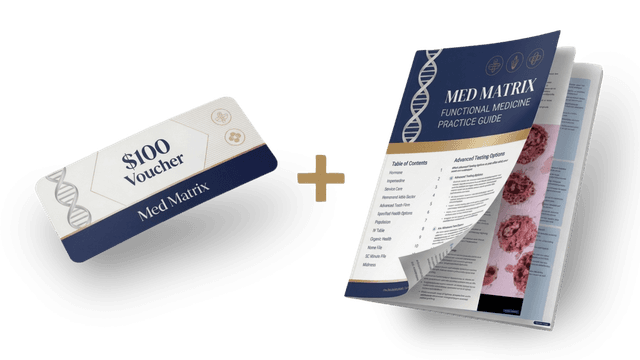
Includes a $100 voucher toward your first visit
Everything you need to make an informed decision: pricing, testing catalog, process timeline, provider bios, and real patient stories. No commitment required.

Free Practice Guide + $100 Voucher
Everything you need before your first visit
STEP 1 OF 3
Where can we send your practice guide?
Enter your email to get instant access
We only accept a limited number of patients per week
EXPLORE
Related Content
Articles, patient stories, and podcast episodes about fine lines & wrinkles treatment.

FAQ
Fine Lines & Wrinkles Treatment FAQ
No. This isn't a replacement for Botox or fillers. It's a complement. If those treatments work for you, keep using them. What we do is address the internal processes that external treatments can't reach: hormone decline, inflammation, insulin resistance, nutrient deficiencies, and oxidative stress. Many patients find that their external treatments produce better and longer-lasting results once their internal environment is optimized.
Initial onboarding is about $1,200 to $1,500 all-in, covering your blood panel, body composition scan, provider prep time, and your full one-hour provider visit. Follow-up visits are $275. Peptide therapy, hormone therapy, and supplements are priced separately based on your specific protocol. Hormone therapy typically runs $70 to $200 per month, and supplements $20 to $100 per month. We accept HSA, FSA, CareCredit, and all major cards. New patients get a $100 voucher toward their first visit.
There's no minimum age, but the internal drivers of skin aging typically start accelerating in your mid-30s to early 40s. Women approaching perimenopause (which can start as early as 35) see estrogen-related collagen loss begin before menopause officially arrives. Men see testosterone decline starting in their early 30s. The earlier you identify and address these shifts, the more effectively you can slow visible aging. Getting baseline testing in your 30s gives us the best foundation to work from.
Dermatologists treat the skin from the outside: topical retinoids, chemical peels, laser treatments, Botox, fillers. They're excellent at what they do. We treat the internal drivers of skin aging that dermatology doesn't address: hormonal decline, inflammation, insulin resistance, nutrient deficiencies, and cortisol. The two approaches complement each other. Optimizing the internal environment makes external treatments more effective.
Restoring hormones to optimal levels can produce visible improvements in skin quality. Estrogen supports collagen production, hydration, and elasticity. Testosterone affects skin thickness and tone. DHEA improves skin hydration. Patients on bioidentical hormone therapy often report improvements in skin texture, firmness, and overall appearance within three to six months. It won't reverse decades of sun damage, but it can meaningfully slow and partially reverse the hormonal component of aging.
Most patients notice improvements in skin texture and hydration within four to eight weeks. Fine lines and firmness improvements build over three to six months as hormones optimize, inflammation decreases, and nutrient levels reach optimal range. The changes are gradual and cumulative. We recheck labs at 10 weeks and adjust your protocol at 12 weeks to make sure your plan is working.
Related Services to Fine Lines & Wrinkles Treatment
Your Health, Your Terms
Start Feeling Like Yourself Again
Get your free practice guide and a $100 voucher toward your first visit. No commitment, no pressure.